Building a custom home is an exciting opportunity to create a space that reflects your lifestyle, personal preferences, and unique vision. However, choosing the right custom home builder is one of the most important decisions you will make throughout the entire process.
Not all home builders operate the same way. Experience, communication, pricing transparency, and flexibility can vary significantly from one builder to another. Before making your decision, it’s important to ask the right questions so you know exactly what to expect.
Here are 14 important questions to ask a custom home builder before hiring them.
Experience and Reputation
1. How Long Have You Been in Business, and How Many Custom Homes Have You Built?
Experience matters, particularly when it comes to custom home construction. Unlike production builders who typically work from a limited selection of floor plans, custom home builders must be prepared to manage unique designs, materials, and construction challenges.
Look for a builder with an established reputation and significant experience building truly custom homes.
2. Can You Provide References From Previous Clients?
A reputable builder should be happy to provide references from past clients. Speaking directly with homeowners who have completed the building process can provide valuable insight into what you can expect.
Ask about their overall experience, communication throughout construction, how unexpected challenges were handled, and whether they would choose the same builder again.
3. Can I See Examples of Homes You Have Built?
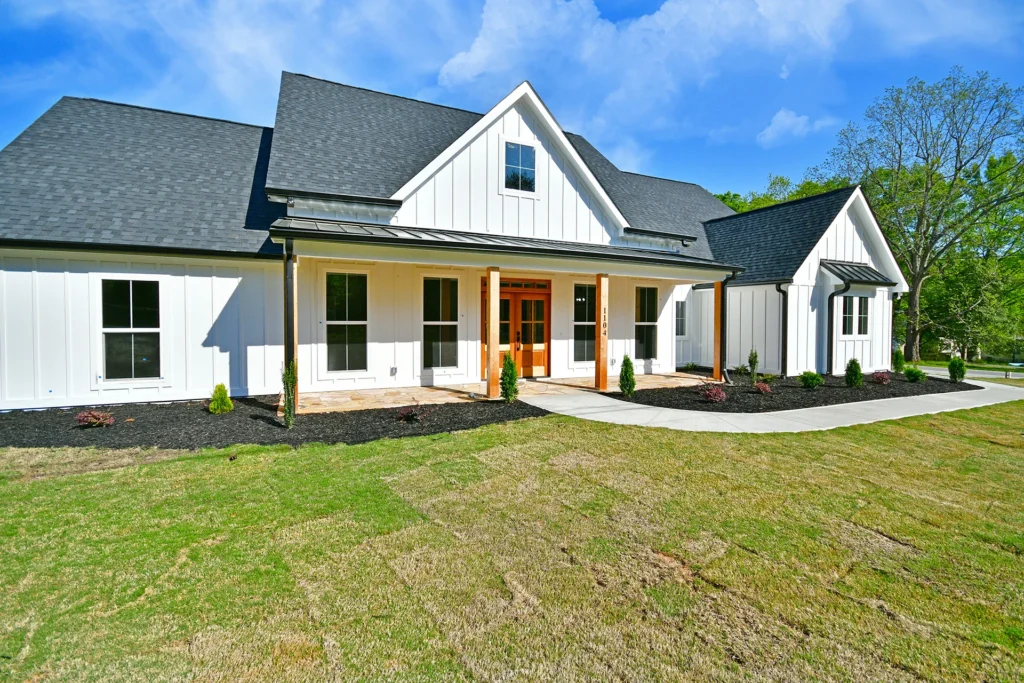
Reviewing a builder’s completed projects is an excellent way to evaluate their craftsmanship, attention to detail, and experience with different architectural styles.
Look for examples of homes that demonstrate the level of customization and quality you envision for your own home.

Pricing and Transparency
4. How Detailed Will My Estimate Be?
Transparency in pricing is one of the most important qualities to look for in a custom home builder.
Your builder should be willing to provide a detailed estimate outlining what is included in the proposed construction cost. This should include information about materials, allowances, finishes, and any items that may not be included.
Be cautious of estimates that seem unusually low. A lower initial estimate does not necessarily mean a lower final construction cost, particularly if important items have been omitted or allowances are unrealistic.
5. How Do You Handle Cost Overruns or Unexpected Expenses?
Even with careful planning, unexpected circumstances can arise during construction.
Ask how the builder handles additional expenses, how those costs are communicated, and whether you will be required to approve changes before additional work is performed.
A reputable builder should have a clear process for documenting changes and keeping you informed about their financial impact.
6. What Is Included in Your Price, and What Might Cost Extra?
Not all construction estimates include the same items. One builder’s proposal may include features or services that another builder considers additional expenses.
Ask specifically about site preparation, grading, utility connections, landscaping, appliances, and material allowances.
Understanding what is included and excluded will help you compare estimates accurately and avoid unpleasant surprises.
7. Is Your Contract Fixed-Price or Cost-Plus?
Understanding how your builder structures their contract is essential because it directly affects how your construction costs are determined.
With a fixed-price contract, the builder agrees to complete a defined scope of work for an established price. Changes to the scope, certain unforeseen conditions, and other contract-specific exceptions may result in additional costs.
With a cost-plus contract, the homeowner pays the actual construction costs plus an agreed-upon builder fee or percentage. This structure can provide flexibility, but the final cost may vary depending on actual expenses.
Neither approach is necessarily right or wrong. What matters is understanding how your contract works, what financial risks you may be responsible for, and how costs will be documented throughout construction.
A transparent builder should be willing to explain their contract structure and answer your questions before you sign.
Communication and Project Management
8. Will I Have a Dedicated Project Manager?
Building a custom home involves coordinating numerous subcontractors, suppliers, inspections, and construction activities.
Having a dedicated project manager provides consistency and accountability throughout the process. You should know who is responsible for overseeing your home, answering your questions, and addressing concerns as they arise.
Ask whether your project manager will be your primary point of contact and how involved that person will be in the day-to-day construction of your home.
9. How Often Will I Receive Updates About My Home’s Progress?
Communication is essential to a successful custom home building experience.
Ask how frequently you can expect updates and how those updates will be provided. Some builders use construction management software that allows homeowners to view schedules, photographs, selections, and project information.
The most important consideration is that your builder has a consistent communication process and that you feel informed throughout construction.
10. How Do You Handle Concerns or Disagreements During Construction?
Building a custom home involves many decisions, and occasionally disagreements or misunderstandings may occur.
Ask how the builder approaches concerns and resolves issues when they arise. A good builder should listen carefully, communicate openly, and work collaboratively toward reasonable solutions.
The way a builder handles challenges can be just as important as how they handle things when everything is going according to plan.
Customization and Flexibility
11. Can I Make Changes to the Design or Materials During Construction?
One of the greatest advantages of building a custom home is the ability to create something uniquely yours.
However, some builders offer more flexibility than others. Ask whether design changes and material substitutions are permitted once construction begins and how those changes are managed.
You should also understand how modifications may affect your budget and construction timeline.
12. Will You Work With My Architect or Designer?
If you already have an architect or interior designer, make sure your builder is comfortable collaborating with them.
A quality custom home builder should recognize the importance of teamwork and be willing to coordinate with the professionals involved in bringing your vision to life.
If you do not already have an architect or designer, ask whether the builder can recommend professionals who have experience with custom residential construction.
13. How Do You Help Homeowners Make Selections?
Building a custom home requires making hundreds of decisions, from flooring and cabinetry to plumbing fixtures, lighting, countertops, and exterior finishes.
Ask whether your builder provides guidance throughout the selection process and how those selections are documented.
A well-organized selection process helps prevent delays, reduces confusion, and ensures that the finished home reflects your personal style and preferences.

Construction Timeline
14. What Is the Anticipated Construction Timeline?
Before hiring a builder, ask how long they anticipate your project will take and what factors could affect that timeline.
Weather, permitting, material availability, design changes, and unexpected site conditions can all influence construction schedules.
While no builder can guarantee that every aspect of construction will proceed without delays, an experienced builder should be able to provide a realistic timeline and communicate changes as they occur.
Be cautious of builders who promise unusually short construction schedules without clearly explaining how they intend to achieve them.
One Final Question You Should Always Ask
Based on my vision and budget, can you realistically build the home I want?
Perhaps the most important quality in a custom home builder is honesty.
You want a builder who listens carefully to your wants and needs, understands your priorities, and is willing to have an open conversation about what your budget will realistically allow.
A trustworthy builder should not automatically steer you away from your ideas simply because they are different or challenging. However, they should be honest when certain features, materials, or design elements may exceed your budget.
Sometimes this means exploring alternative materials, modifying certain design features, or helping you prioritize the elements that matter most.
The goal should always be to create a home that reflects your vision while respecting your financial expectations.
Choosing the Right Custom Home Builder
Ultimately, selecting a custom home builder should involve much more than comparing estimates.
You are choosing a company that will be responsible for one of the largest investments you may ever make. Experience, reputation, transparency, communication, and a genuine commitment to understanding your vision should all play an important role in your decision.
Take the time to ask questions, review previous work, speak with references, and understand the builder’s process before signing a contract.
The right custom home builder won’t simply build you a house. They will work alongside you to create a home that fits your lifestyle, reflects your personality, and meets your expectations.